


ORRLING · The atelier
Inside the Studio
From our studio in Helsingborg, Sweden, a family tradition of craftsmanship meets an independent creative vision.
Chapter 01 / Inside the Studio
A Family Tradition
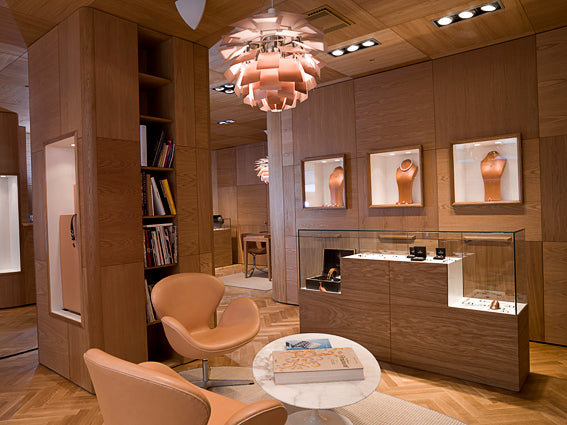
The house archive · 2008
A family tradition. An independent vision.
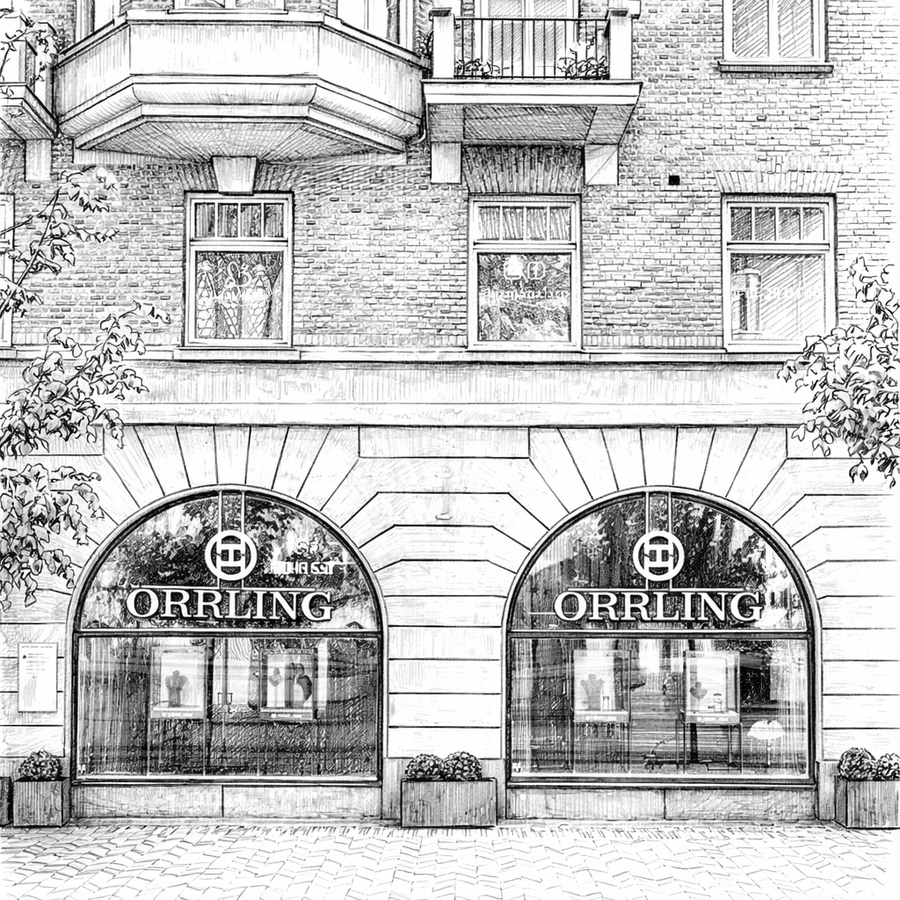
From Helsingborg, Sweden, Håkan Orrling continues a family tradition of jewellery craftsmanship. In 1953, his father Torsten travelled through Europe to develop his craft. Håkan began his own goldsmith training in 1989 and opened his atelier, Artmetall, in 1997.
Today, the House of Orrling brings that heritage to an independent vision of jewellery: sculptural in form, expressive in detail and personal to the wearer.
Chapter 02 / Inside the Studio
From the First Sketch
From the first sketch
Imagination takes shape.
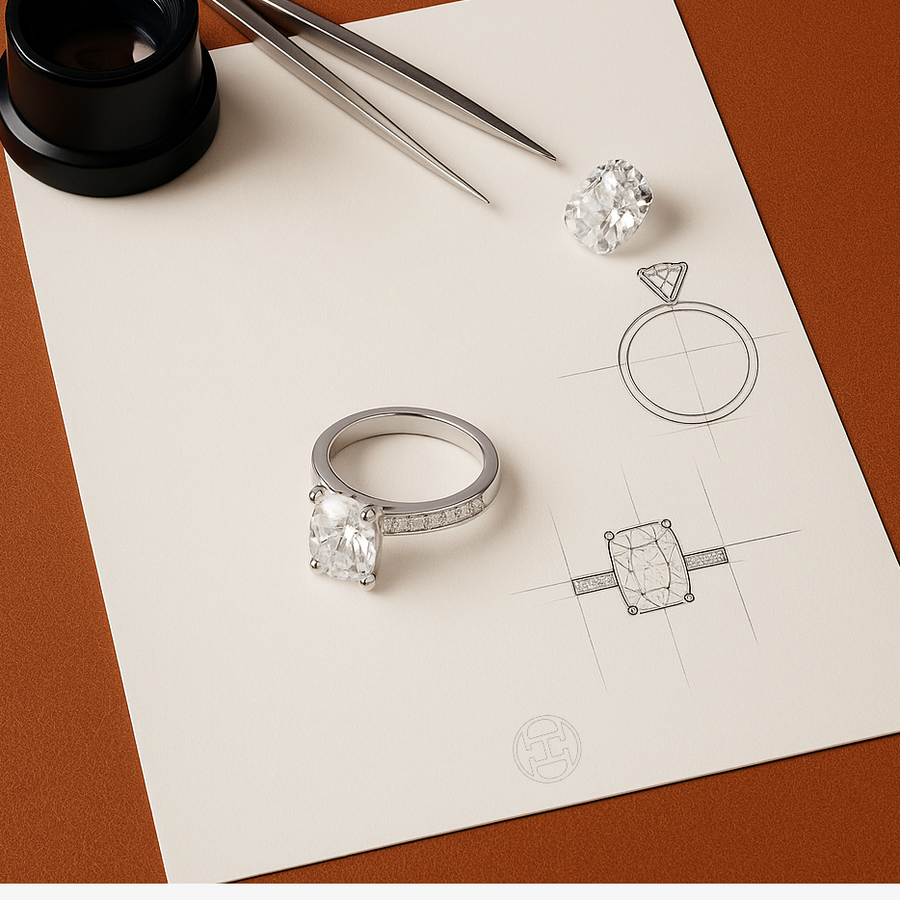
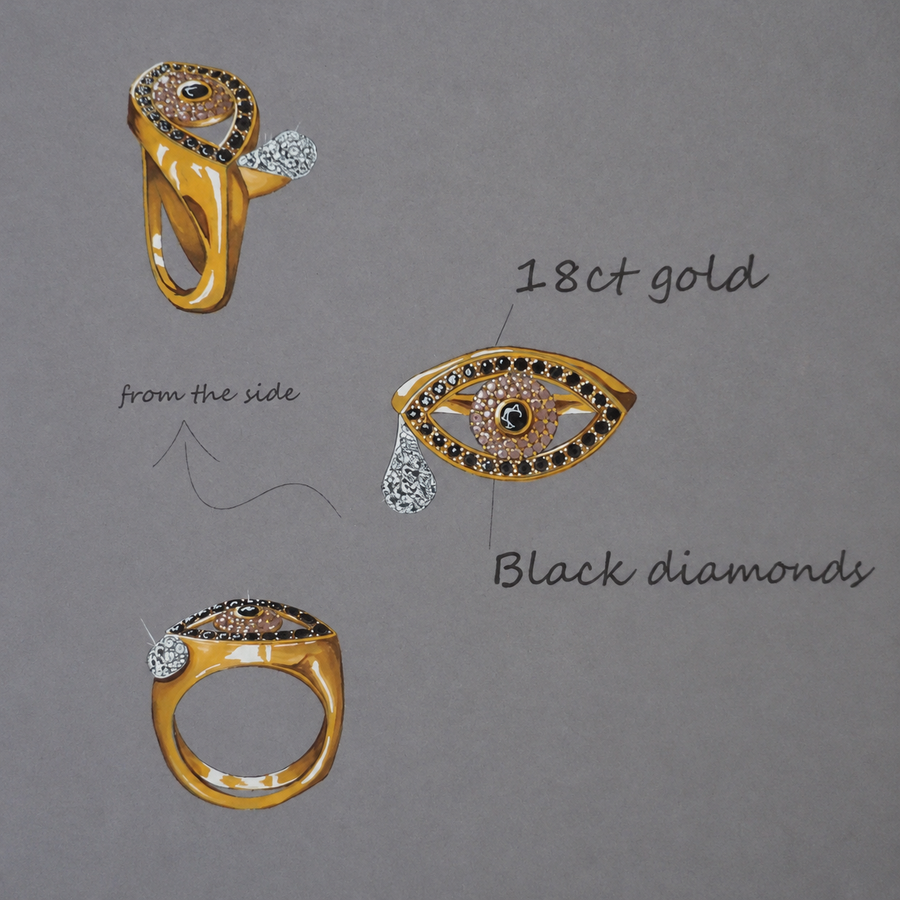
A line on paper is the beginning of a conversation between imagination and material. In the studio, ideas develop through drawing, digital modelling and three-dimensional studies.
CAD and 3D printing offer ways to explore form before a design becomes a jewel. The hand remains part of that dialogue, from the first sketch to the final finish.
Drawing gives an idea its first form. Proportion and detail bring it into focus.
Chapter 03 / Inside the Studio
The Art of Making
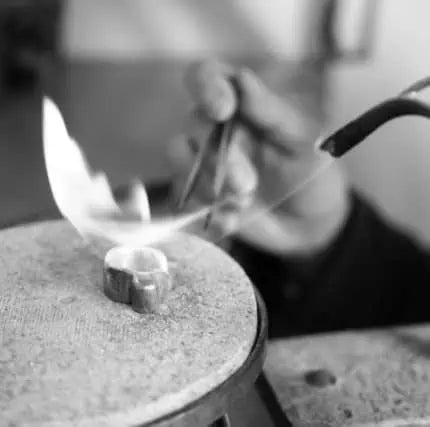
The art of making
Considered in every detail.
Orrling creations are developed in the studio in collaboration with skilled artisans in Europe. Traditional jewellery techniques and contemporary design tools each have a place in bringing a piece to life.
Casting, assembly, stone setting and polishing give the design its substance and finish. Each stage brings attention to a different detail, from the construction of the setting to the surface of the metal.
Chapter 04 / Inside the Studio
Amour Griffe
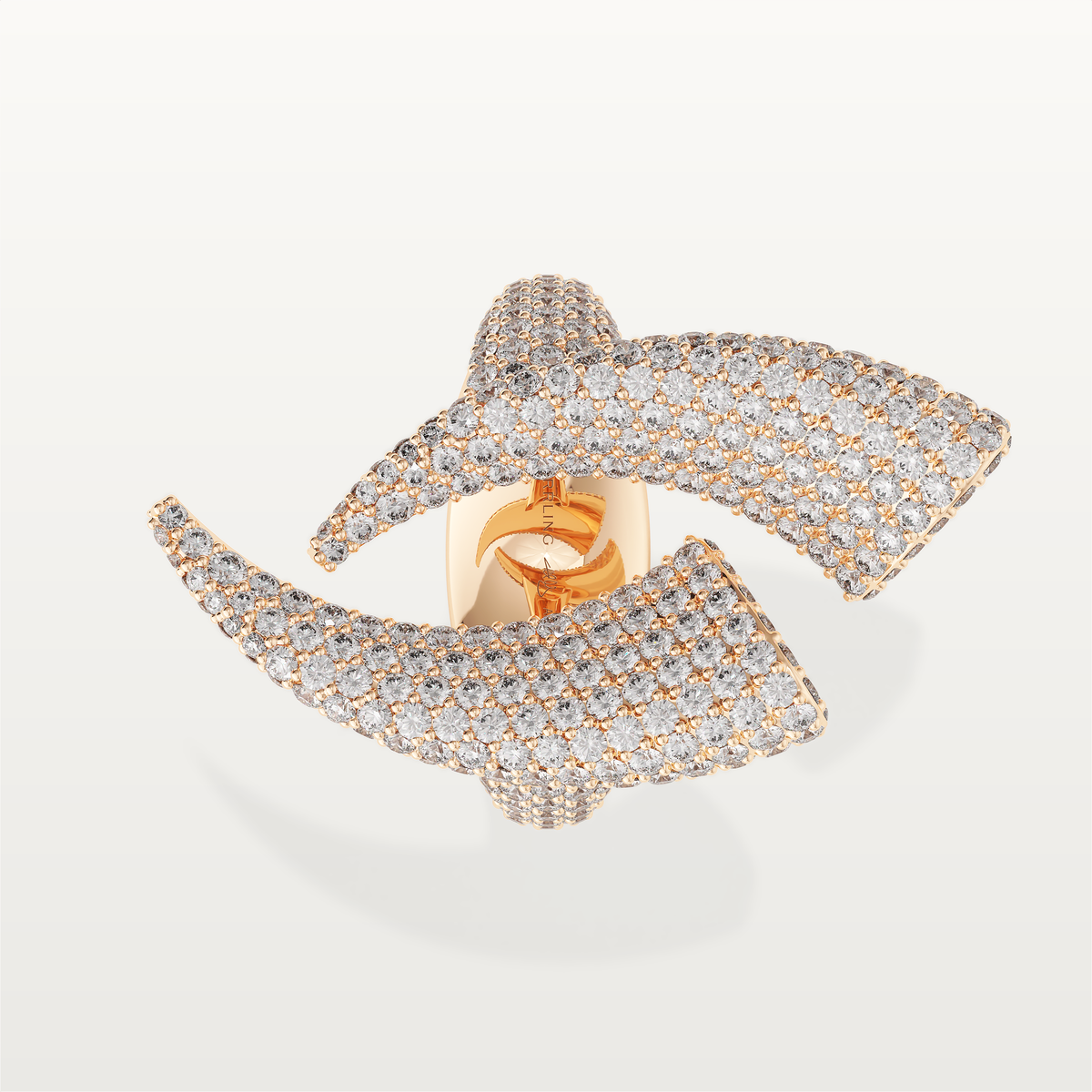
Created in 2005
Tenderness and strength.
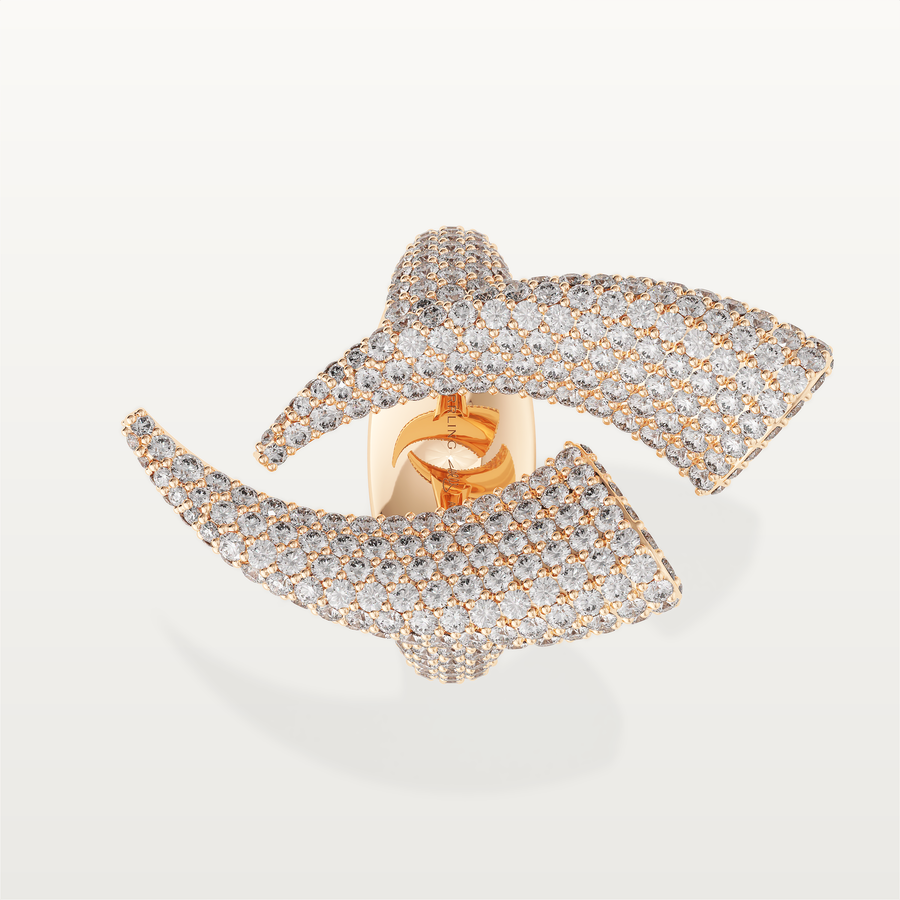
Created in 2005, Amour Griffe began with an idea: love holds both tenderness and strength.
A heart forms the base, while a talon-shaped griffe rises from its curve. The contrast between these two forms gives the design its character, translating an emotion into a sculptural jewel.